Identity® Shoulder System
Anatomic fit. Dynamic tensioning. Inspired by clinical heritage.1
 Â
Identity Shoulder System Brand Anthem Video
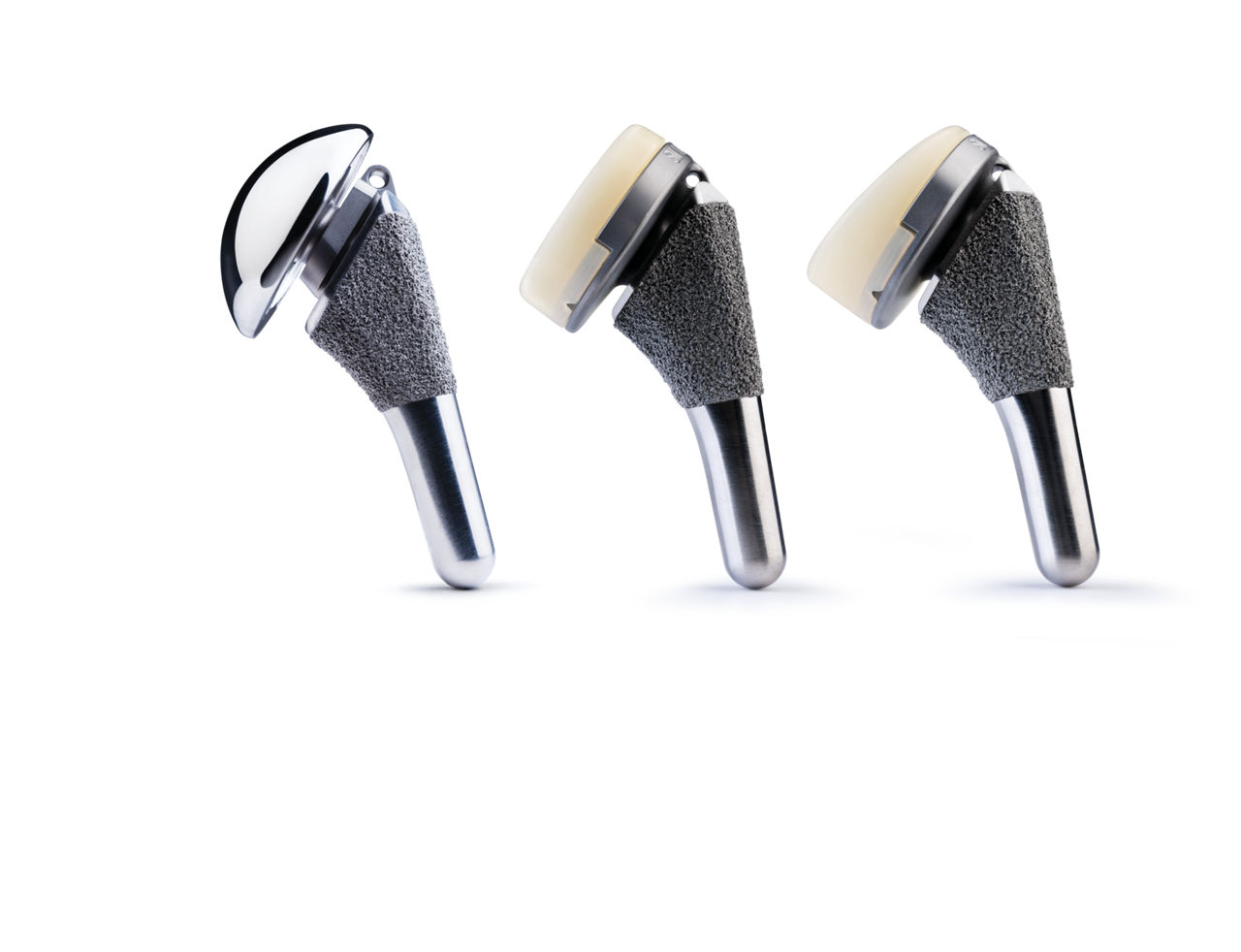

Anatomic fit
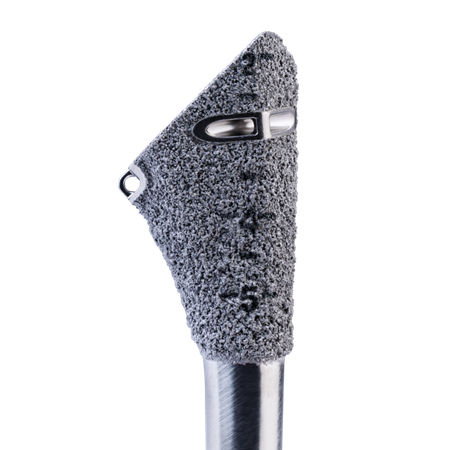
Identity stems were designed with proximal anatomic contours and a progressive, flared geometry to complement the natural humeral anatomy for primary stability,2-5* combined with Porous Plasma Spray (PPS®) coating for biological fixation.6-8
Primary
Stability
The Identity stem has demonstrated similar primary stability compared to the Comprehensive® Shoulder System, without increasing the risk of stress shielding4,5*
Micro, Standard and Revision
Identity stems are available in Micro, Standard and Revision lengths, enabling surgeons to find the right fit for a wide range of patient anatomies without sacrificing surgical philosophies
Avoid
Malposition
The Identity Shoulder System includes instrumentation designed to help surgeons avoid humeral component malposition, a common finding in 62% of reverse shoulder arthroplasty cases requiring revision9

Dynamic tensioning
A convertible platform system with inlay and onlay reverse configurations designed to address joint efficiencies10Â and preserve bone,11Â with the ability to medialize or lateralize independent of the glenoid without lengthening the arm.
Modularity
The Identity Shoulder System – with components indicated for anatomic, reverse, revision and fracture cases – facilitates a consistent and repeatable surgical workflow when converting from an anatomic to reverse configuration
Lateralize
Identity gives surgeons the ability to medialize or lateralize on the humeral side of the joint, independent of the glenoid
Optimize
Titrate the patient’s joint tension by sizing the stem to the canal, then selecting from medialized or lateralized tray offsets in small and large diameters to independently adapt the construct
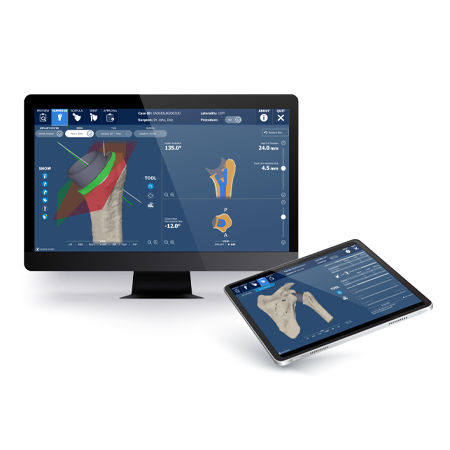
Try the Identity Online Tool to See Independent Lateralization in Action

Inspired by clinical heritage1
Inspired by the versatility of the Comprehensive® Shoulder System, the Identity Shoulder System is compatible with the Alliance® Glenoid for anatomic configurations, and Comprehensive baseplates and glenospheres in reverse configurations.
Alliance®Ìý
Glenoid
For anatomic configurations, Alliance Glenoid has demonstrated good survivorship and patients have shown significant improvements in quality of life, shoulder function, pain and stability at one-year post-operative12
Augmented
Baseplates
The Comprehensive® Reverse family provides a simple, reproducible method to restore the glenoid for reconstruction cases
32 mm
Glenosphere
Comprehensive® Reverse glenospheres now include a 32 mm size, and are compatible with Alliance® Humeral Bearings, designed to help treat patients of smaller statures


Additional Information



Sign up to learn more about the Identity Shoulder System
Legal Disclaimer
All content herein is protected by copyright, trademarks and other intellectual property rights, as applicable, owned by or licensed to 91³Ô¹ÏÍø or its affiliates unless otherwise indicated, and must not be redistributed, duplicated or disclosed, in whole or in part, without the express written consent of 91³Ô¹ÏÍø.  Â
This material is intended for health care 91³Ô¹ÏÍø. Distribution to any other recipient is prohibited.Â
For product information, including indications, contraindications, warnings, precautions, potential adverse effects and patient counseling information, see the instructions for use or contact your local representative; search this website for additional product information. To obtain a copy of the current Instructions for Use (IFU) for full prescribing and risk information, please visit . For product related questions, please call 1-800-348-2759.Â